Knowledge Base
Alternative Energy Sources
3 min read
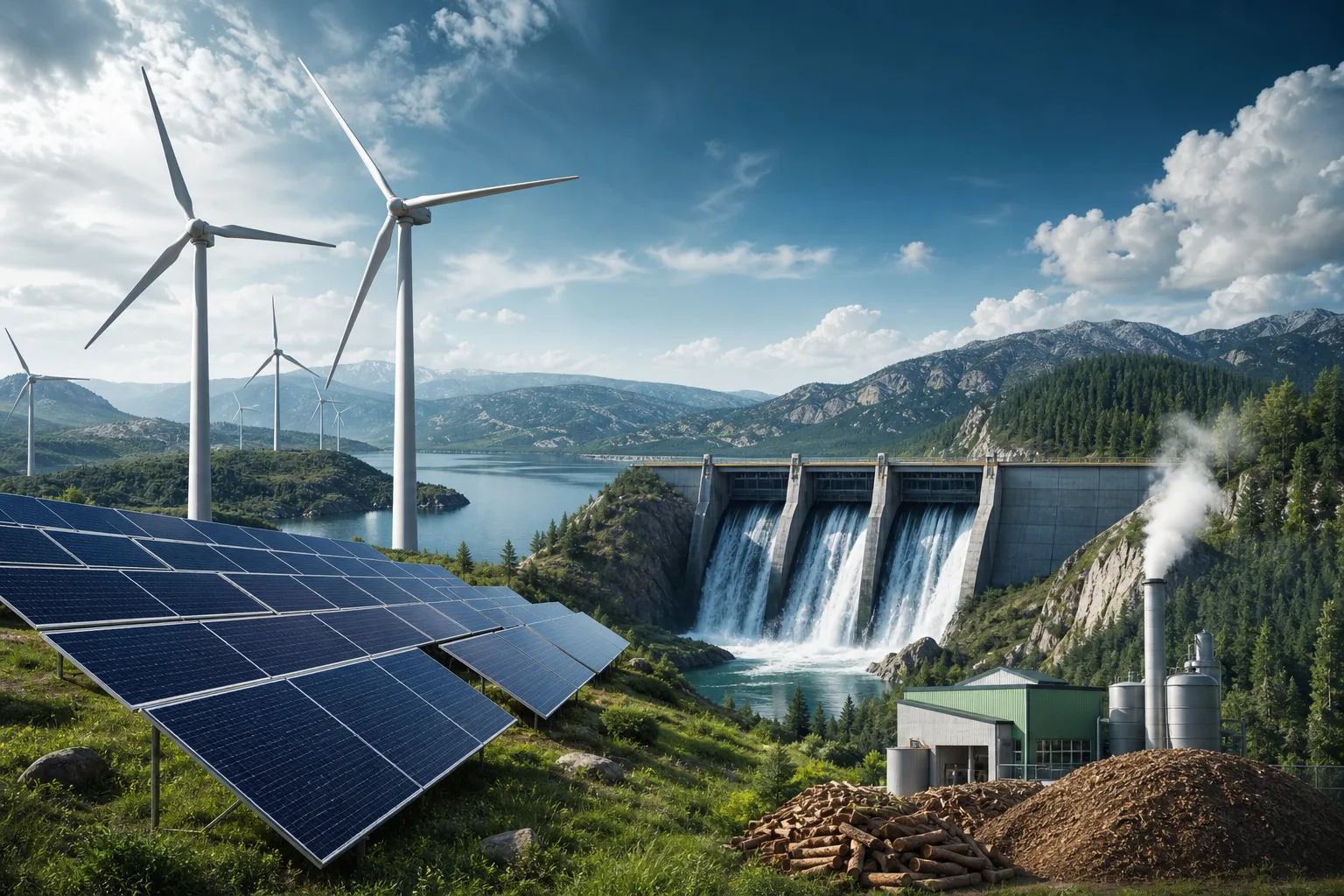
What are alternative energy sources, what types do they include in different countries? Information was obtained using legislative acts on renewable energy for each specific country.
REPUBLIC OF BELARUS.
The main legal document in the field of renewable energy sources in the Republic of Belarus is Law N 204-Z "On Renewable Energy Sources" from December 27, 2010. According to Article 1 of this Law:
"renewable energy sources are the energy of sun, wind, heat of earth, natural movement of water flows, wood fuel, other types of biomass, biogas, and so on."
However, Article 1 of the Law "On Renewable Energy Sources" states that only electric energy produced from renewable sources is considered. Therefore, obtaining thermal energy is not regulated by this law, although the State Program for Energy Conservation sets target indicators for the share of local fuel and energy resources, including VEI in co-firing fuel.

RUSSIAN FEDERATION.
In accordance with Federal Law N 35-FZ "On Electric Power Industry" from March 26, 2003, article 3:
"renewable energy sources are the energy of sun, wind, water (including wastewater), excluding cases when such energy is used on pumped storage power plants, tidal energy, wave energy from water bodies, including reservoirs, rivers, seas, oceans; geothermal energy using natural underground heat carriers; low-potential thermal energy of earth, air, water using special heat carriers; biomass, including specially grown for energy production plants, trees, as well as waste from production and consumption (excluding wastes obtained in the process of use of hydrocarbon raw materials and fuel), biogas, gas, formed on landfills of such wastes, gas, forming during coal mining".

Source: AREV
KAZAKHSTAN REPUBLIC.
For the regulation of using renewable energy sources, as well as supporting waste utilization and use of secondary energy resources in Kazakhstan, the Law No. 165-IV from July 4, 2009 "On Supporting Use of Renewable Energy Sources" was adopted. According to Chapter 1, point 1.4 of this Law:
"renewable energy sources are the sources of energy that continuously replenish due to natural ongoing processes, including the following types: solar radiation energy, wind energy, hydrodynamic water energy; geothermal energy: ground heat, underground waters, rivers, reservoirs; and anthropogenic primary energy resources: consumption waste, biomass, biogas and other fuel from consumption waste, used for the production of electric and (or) thermal energy".

As can be seen from the definition, at the legislative level in the Republic of Kazakhstan, the use of alternative energy sources for obtaining not only electrical energy but also thermal or combined (cogeneration) is enshrined.
Share: