Wind measurements
Wind potential assessment using met masts or LIDAR for site screening and turbine selection.
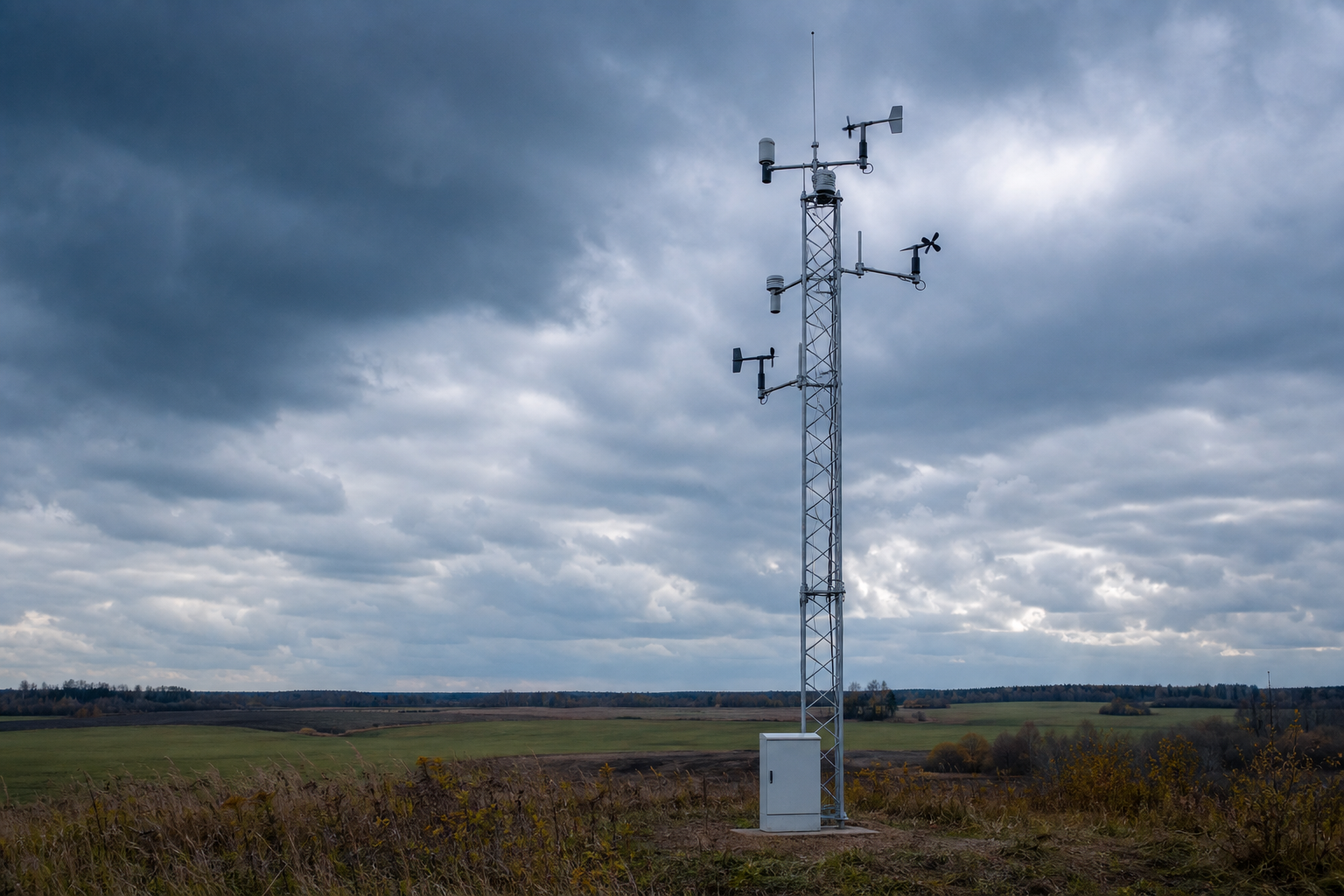
Wind measurement is the process of collecting and analyzing data on wind conditions to assess wind energy potential in a specific area. This process involves using wind measurement equipment and other specialized tools necessary for making decisions about the design, placement, and operation of wind turbines.
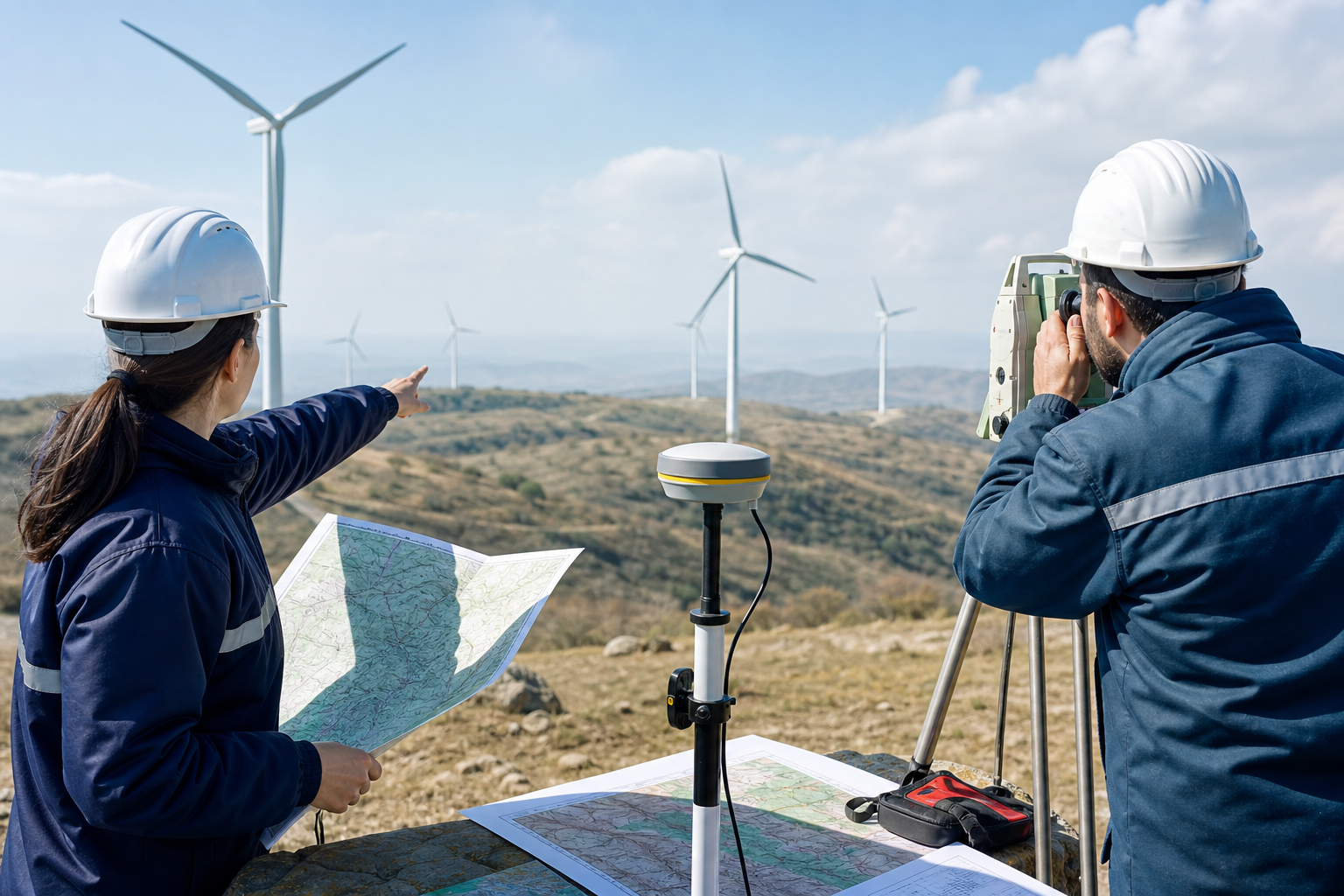
1. Site Selection for Wind Potential Analysis
Wind measurement (wind monitoring) is conducted to enable the investor to make a decision about building a wind farm or a single station. The choice of location depends on several factors: elevation above sea level; proximity to tall structures, forests, power transmission lines, access roads, etc. The effectiveness of the entire project depends on the correct approach to site selection.
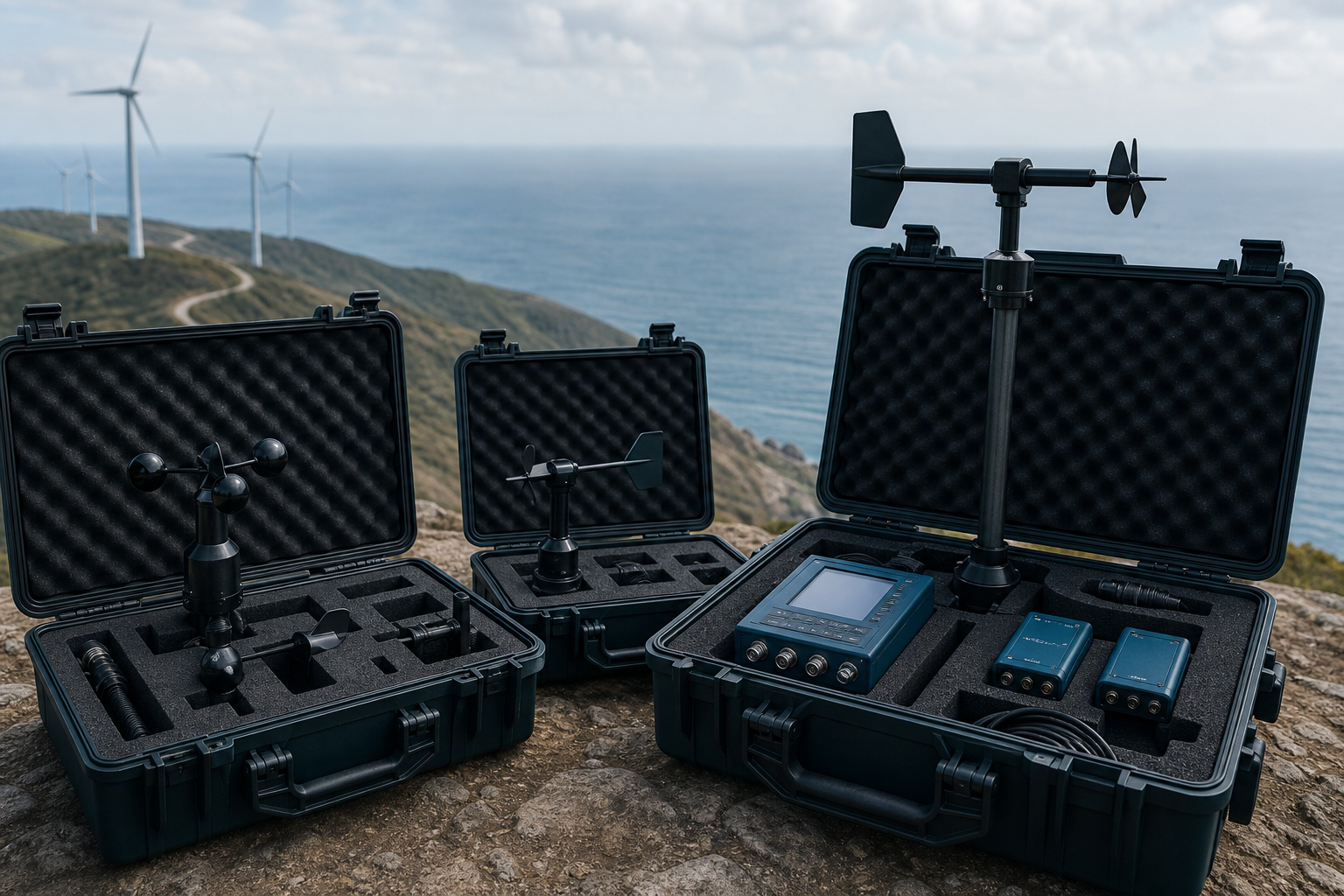
2. Equipment Supply/Rental
Field work requires deployment of a wind measurement complex, which may be owned by the client or provided on rental terms for the monitoring period. Our specialists, together with a certified European company, will select and offer the optimal equipment option and usage conditions.
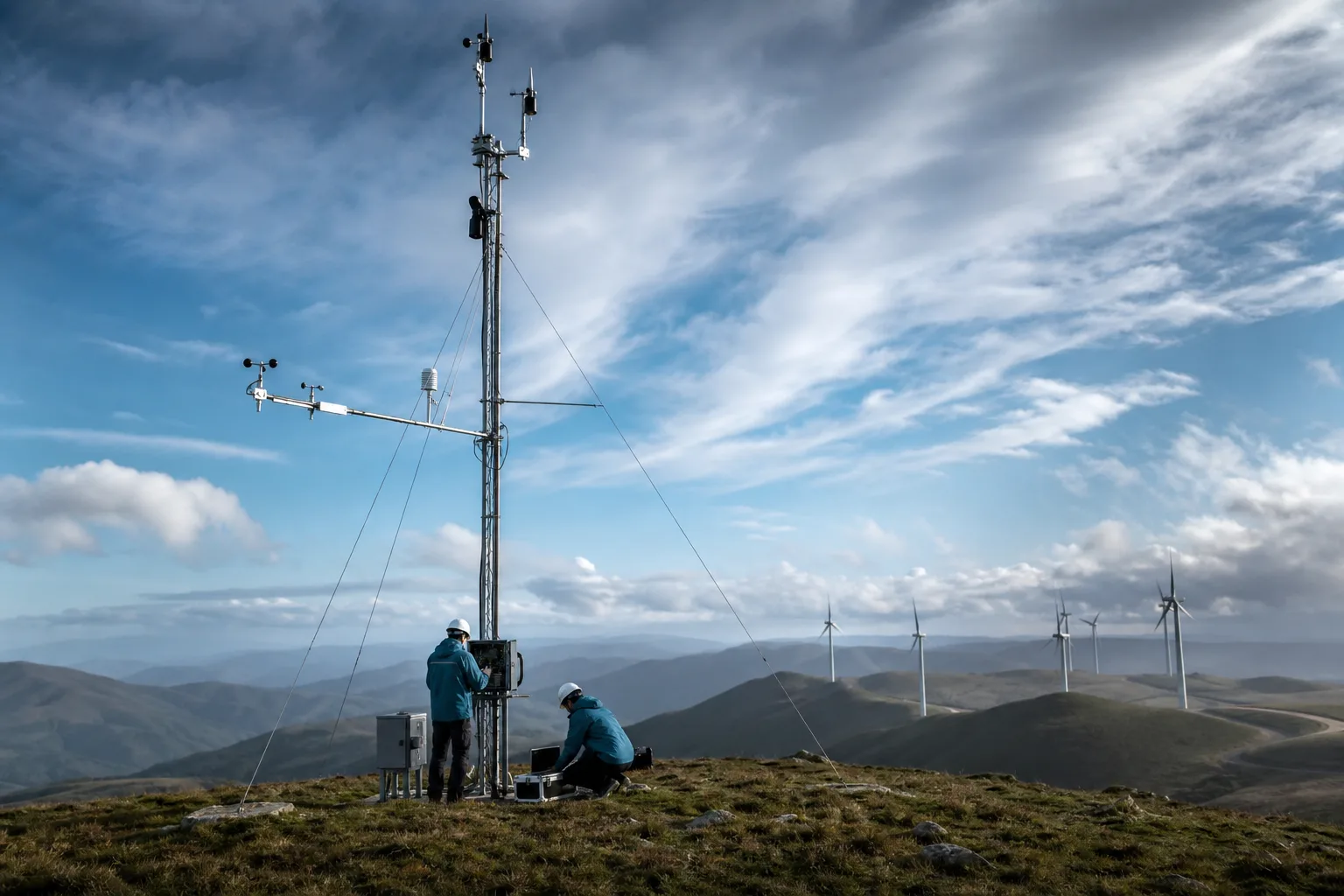
3. Installation/Dismantling of Wind Measurement Equipment
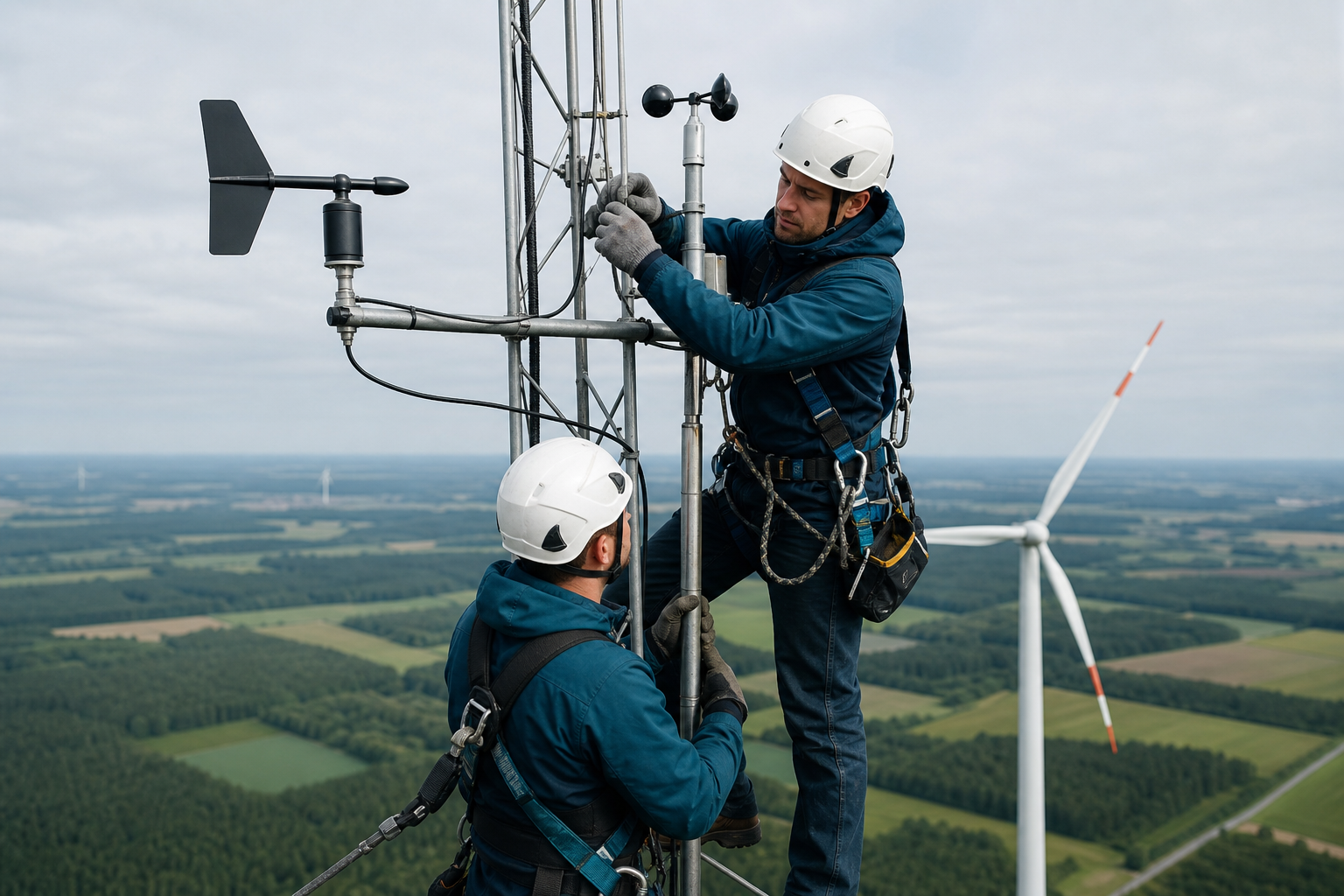
The quality of installation work directly affects the entire wind potential measurement process, including sensor mounting, mast erection, calibration, and certification to international standards. During dismantling, sensors must remain in perfect condition for re-verification in certified laboratories.
4. Wind Potential Assessment
After the measurement period ends, the collected data is processed on specialized software and hardware systems to produce a report on wind speed, direction, temperature, humidity, atmospheric pressure, and recommendations for the most suitable wind turbine models.

We offer wind potential assessment (wind measurement) throughout Belarus, Kazakhstan, and Russia. For specialist consultation, contact us at +375 (29) 747-07-09 or info@ecotek.pro.
Frequently Asked Questions
Which wind characteristics are studied before constructing a wind turbine installation?+
For an accurate assessment of wind potential and calculation of electricity production from wind turbines or obtaining borrowed funds, it is recommended to conduct wind measurements. During a wind measurement campaign, the following indicators are recorded: wind speed (at various heights), wind direction (at various heights), air temperature, humidity, atmospheric pressure, presence of atmospheric precipitation (not mandatory requirement), intensity of solar radiation (not mandatory requirement).
What instrument is used to measure wind speed and direction?+
To conduct wind speed measurements, an anemometer is used, and for determining the direction of the wind - a weather vane. There are combined instruments that can simultaneously register the speed and direction of the wind. There are several types of devices for wind monitoring, but they all can be divided into two large groups: mechanical and ultrasonic.
What happens to a wind turbine during a stormy wind?+
At high wind speeds, namely above 25 m/s, most wind turbines are shut down (some stop at speeds higher than 20 m/s), as damage to the wind energy installation may occur. This value of speed is known as "Cut-out wind speed."